Expert Guide: Training and Skills Development in the Laundry Industry
The laundry industry has evolved far beyond basic wash-and-fold services. Today, it is a technology-driven, service-focused sector that demands a skilled workforce capable of operating advanced machinery, ensuring quality control, and meeting strict hygiene and sustainability standards. As customer expectations rise and automation increases, training and skills development have become central to business success.
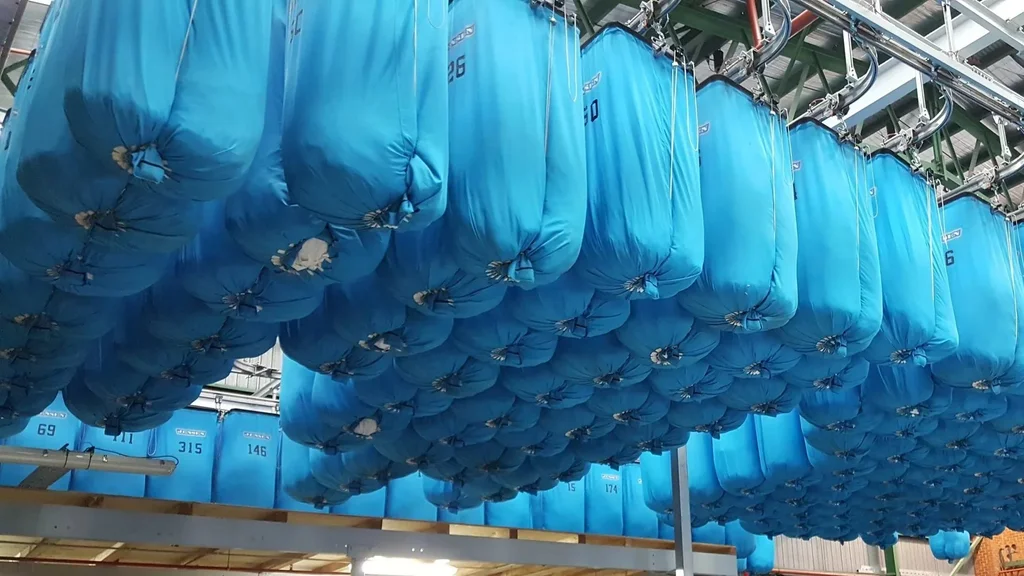
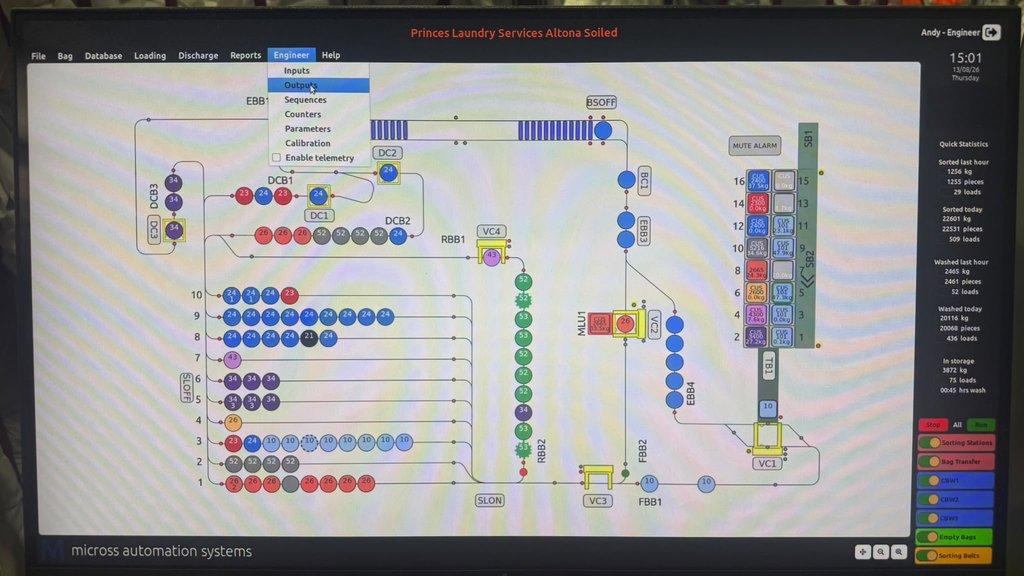
Modern commercial laundries rely on sophisticated equipment such as automated washers, tunnel systems, dryers, and finishing machines. Employees must understand machine operation, programming, troubleshooting, and routine maintenance. Without proper training, equipment downtime increases, operational costs rise, and productivity declines. Structured technical training ensures staff can operate machinery efficiently, minimise errors, and extend equipment lifespan.
Health and safety training is equally critical. Laundry facilities involve high temperatures, heavy loads, chemical detergents, and fast-moving machinery. Workers must be trained in safe handling procedures, proper lifting techniques, chemical storage, and emergency response protocols. Clear safety standards reduce workplace injuries, improve morale, and ensure compliance with regulations. Regular refresher courses reinforce safe practices and adapt to evolving guidelines.
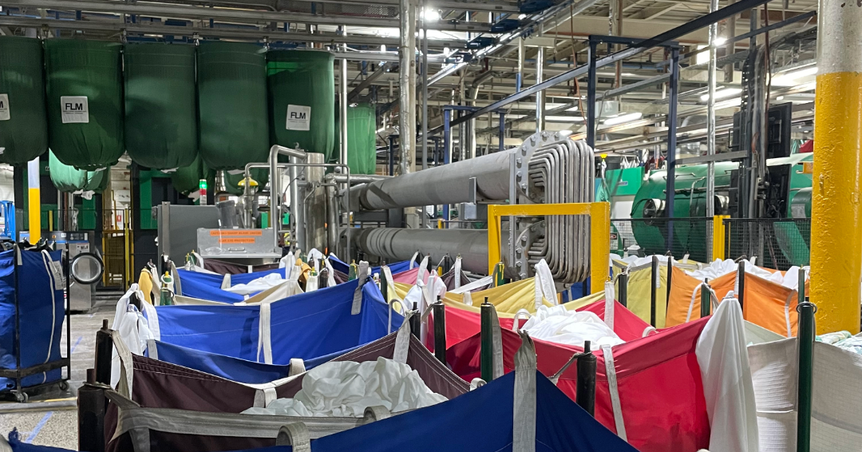
Quality control is another area where skills development plays a key role. Commercial clients in hospitality, healthcare, and food services require consistent cleanliness and fabric care. Employees must understand fabric types, stain treatment methods, sorting techniques, and finishing standards. Training in quality inspection helps staff identify defects before delivery, maintain client trust and protecting brand reputation.
Customer service skills are increasingly important, especially in retail and on-demand laundry services. Front-line employees must communicate clearly, manage customer expectations, handle complaints professionally, and offer tailored solutions. Investing in soft skills training strengthens client relationships and supports business growth in competitive markets.
Sustainability has become a defining issue for the industry. Water conservation, energy efficiency, and responsible chemical use are now business priorities. Training programs should include environmental best practices, such as optimizing load sizes, reducing rewash rates, and monitoring resource consumption. Educated staff contribute directly to cost savings and improved environmental performance.
Leadership development is essential for long-term growth. Supervisors and managers require training in workflow planning, performance management, inventory control, and team leadership. Effective managers create organised production environments, motivate employees, and drive continuous improvement. Structured leadership pathways also support employee retention by offering clear career progression opportunities.
Digital transformation is reshaping the sector through tracking systems, route optimisation software, and data analytics. Employees must develop digital literacy to use management systems, interpret production data, and maintain accurate records. Training in technology adoption ensures smoother implementation and maximises return on investment.
To build a strong training culture, businesses should combine onboarding programs, on-the-job mentoring, workshops, and regular performance evaluations. Cross-training employees in multiple roles increases operational flexibility and resilience. Certification programs and partnerships with vocational institutions can further professionalise the workforce.
Ultimately, training and skills development are not optional investments but strategic necessities. A well-trained team improves efficiency, reduces costs, enhances safety, and delivers consistent quality. In a rapidly evolving industry, companies that prioritise workforce development position themselves for sustainable growth, operational excellence, and long-term competitiveness.